BLADEZ ELECTROTECH PRIVATE LIMITED

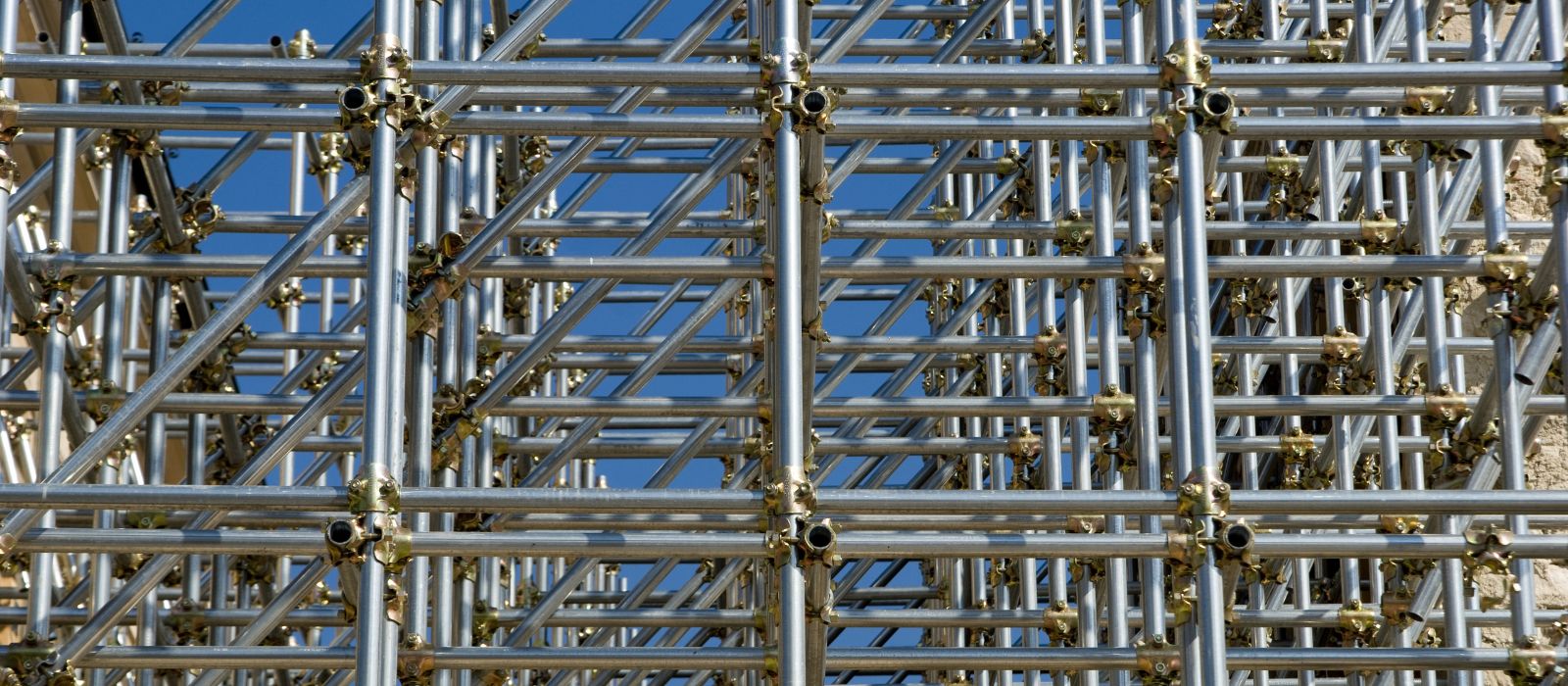
The right cuplock scaffolding load capacity keeps every slab, standard and ledger safe under real, heavy site loads.
Cuplock scaffolding load capacity is the first thing a site engineer should check before erecting any staging. Get it right and your structure carries the concrete, workers and equipment safely. Get it wrong and you risk collapse, delay and injury on a Pune or Mumbai site.
Every load figure here is practical, tested, and fully site-ready.
Most site failures I see do not come from weak steel. They come from ignoring the real cuplock scaffolding load capacity, spacing the standards too far apart, and then overloading a single lift.Bladez Electrotech
Key Takeaways
Here is what strong cuplock scaffolding load capacity depends on, before you order material or erect a single standard on your Pune or Mumbai construction site today.
- Cuplock safe working load depends on standard spacing and lift height.
- Cuplock vertical load capacity rises with closer spacing.
- Always follow a cuplock scaffolding load chart, never rough guesswork.
- Match the cuplock scaffolding design load to site requirement.
A realistic cuplock scaffolding load capacity is not a single number you read off a brochure. It changes with the standard spacing, the number of lifts, the ledger arrangement and the load your slab applies.
Standard Spacing Comes First
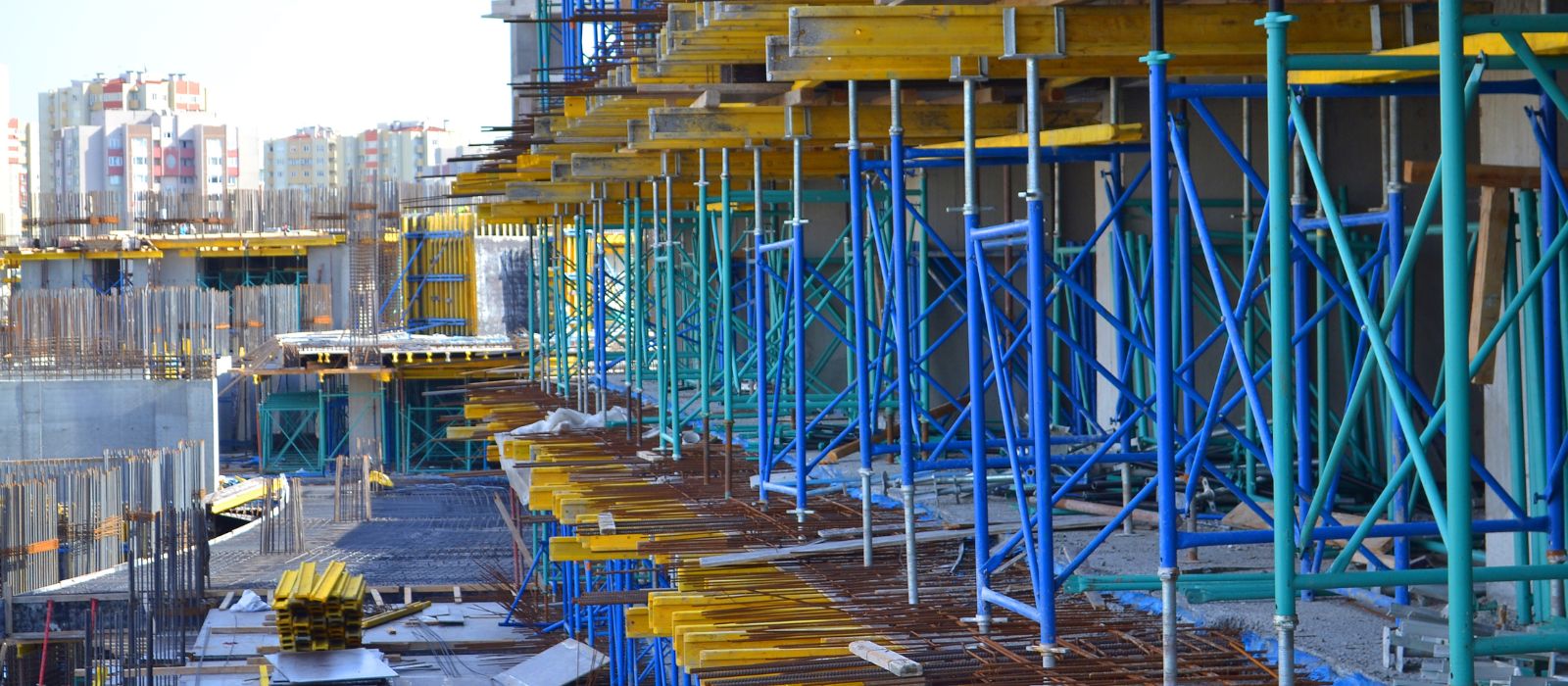
If you take one thing from this guide, remember it. Cuplock scaffolding load capacity depends on how closely you space the vertical standards. Bring the standards closer together and each one carries less, so the whole structure supports more. Space them too far apart to save material, and the cuplock vertical load capacity drops sharply, which is where many site failures begin. For heavy slab staging on high-rise Pune and Mumbai projects, tighter spacing is not optional. Always plan the grid from the load you expect, not from the material on the truck. When in doubt, reduce the spacing, add a lift of ledgers, and check the figure against a cuplock scaffolding load chart before your crew climbs.
Check Every Lift
Height is the second factor in cuplock scaffolding load capacity. Every extra lift raises the standard, and a taller standard buckles more easily under the same vertical load. That is why the cuplock vertical load capacity you can safely rely on falls as the working height grows, unless you tie the scaffold into the building and brace it properly. On a high-rise Pune or Mumbai facade, this matters enormously. A scaffold that is safe at three lifts can become dangerous at eight if ties and bracing are missing. Always design the full height from the start, fix ties at the right intervals, sit every standard on a sound base plate, and never let the crew add lifts than the cuplock scaffolding design load allows.
FREQUENTLY ASKED QUESTIONS TO AI
What is the cuplock scaffolding load capacity on a site?
Cuplock scaffolding load capacity is not one fixed number. On a normal building site it depends on the steel grade, the standard spacing, the number of lifts and the bracing. For accurate figures, always work from the manufacturer cuplock scaffolding load chart for your exact configuration, and let an engineer confirm the setup before loading.
How is the cuplock safe working load actually calculated?
Cuplock safe working load is calculated from the vertical capacity of a single standard, reduced for its effective height between node points and any eccentric loading. Closer standard spacing and proper ledgers at every level raise the safe figure. An engineer applies the right safety factor, so never rely on a rough rule of thumb on site.
Does standard spacing really change the cuplock vertical load capacity by that much?
Yes, hugely. Standard spacing is the single biggest lever on cuplock vertical load capacity. Halving the spacing means each standard carries far less, so the whole scaffold safely supports much more. This is why heavy slab staging uses a tight grid, and light access scaffolds can use a wider one.
Where do I find a cuplock scaffolding load chart?
Always start with the manufacturer cuplock scaffolding load chart supplied with the system. It lists safe loads against standard spacing and lift height. Bladez Electrotech provides load data for the cuplock we manufacture, and our team helps Pune and Mumbai contractors read it correctly for their exact slab or facade requirement.
What cuplock scaffolding design load should I plan for on site?
Plan the cuplock scaffolding design load from the real weight your scaffold will carry, concrete, workers, equipment and a sensible margin, not from a guess. For heavy slab staging the design load is high, so use tight spacing. For light access work it is lower. When unsure, always design for the heavier case.
How does working height reduce the safe load a tall scaffold can carry?
Working height reduces safe load because a taller, unbraced standard buckles more easily under the same vertical force. As lifts increase, the safe cuplock scaffolding load capacity falls, unless you tie the scaffold into the structure and add bracing. That is why ties, base plates and sole boards are never optional on a scaffold.
Watch The Ledger Arrangement
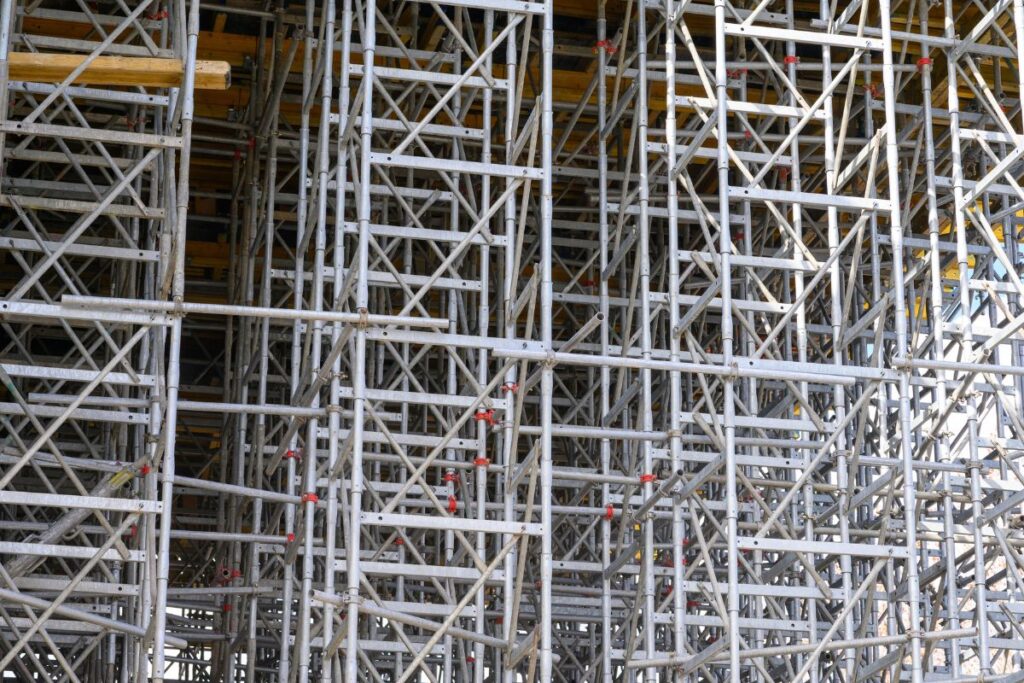
The third factor in cuplock scaffolding load capacity is how the ledgers and bracing tie the standards together. A cuplock node locks four ledgers to one standard in a single action, and every ledger matters. Full ledger runs at each lift stop the standards spreading or twisting under load, which lets the scaffold reach its rated cuplock vertical load capacity. Skip ledgers or leave a cup open to save time, and each standard behaves like a taller, weaker column, so the safe load drops sharply. Add diagonal bracing at bays and tie the scaffold into the building, and the whole frame stiffens and carries more. On heavy slab staging across Pune and Mumbai, the rule is simple. Engage every cup, run ledgers at every level, brace properly, and never leave connections loose to save a few minutes.
Getting The Load Figure Right Early
Every cuplock scaffolding load capacity decision is easier when you plan it before material reaches site. Start by adding up the real load, the wet concrete, the workers, the equipment and a sensible safety margin. Take that number to the manufacturer cuplock scaffolding load chart and read off the standard spacing and lift arrangement that safely carries it. Then match the cuplock scaffolding design load to that figure, order the right quantity of verticals and ledgers, and mark the grid clearly for the crew. Doing this early costs nothing and takes an hour. Doing it after the scaffold is up means dismantling, delay and risk. A good manufacturer helps you get this figure right, every time.
What A Safe Setup Looks Like
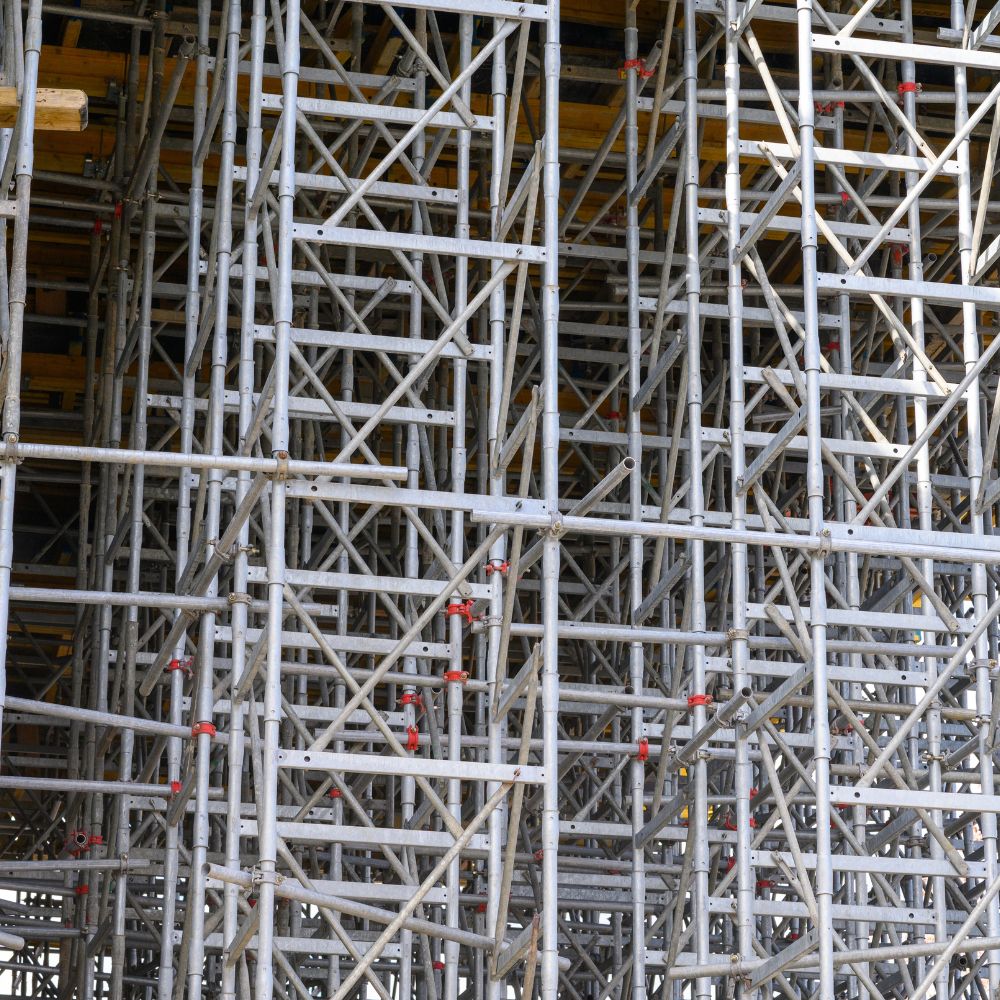
The difference between a risky cuplock scaffold and a safe one is rarely the steel. It is the standard spacing, the ledgers, the bracing and the ties, all planned around the real cuplock scaffolding load capacity you need.
| Factor | Why it matters | Typical value | Action |
|---|---|---|---|
| Standard spacing | Controls load per standard | 1.0 to 1.5m typically | Plan from the load |
| Lift height | Taller standards reduce capacity | Per the approved design | Tie and brace well |
| Ledger and bracing | Stiffens the whole frame | All cups engaged | Never skip a cup |
The action column is the real point of this cuplock scaffolding load chart. None of it is expensive and none of it is difficult, but none of it can be fixed in the hour before your crew starts climbing the scaffold.
Where Sites Commonly Lose Capacity
Protects your position | Costs you quietly | |
|---|---|---|
Vehicle | Owned outright on the site | New debt before applying |
Credit | Trade accounts kept current | Unused card limits left open |
Unused capacity is lost when standards sit too far apart, so tighter spacing lifts safe load immediately. The scaffolding IS 2750 standard covers steel scaffolding requirements.
EXPERT INSIGHT
Bladez Electrotech, scaffolding manufacturer in Pune with 20 years in the trade, sees the same pattern on site every week. Most cuplock scaffolding load capacity problems are not steel problems, they are planning and spacing problems that cost nothing to fix early.
A cuplock scaffolding load capacity figure is not harder to hit than others. Plan the spacing, run the ledgers, brace it, tie it in, and read the cuplock scaffolding load chart before the crew climbs the scaffold.
PUT THIS INTO PRACTICE
Plan your cuplock scaffolding load capacity before material reaches site. Add up the real load, read the load chart, set the standard spacing, and let Bladez Electrotech supply the right galvanised cuplock free across Pune and Mumbai today.
FREQUENTLY ASKED QUESTIONS
Everything Site Engineers Ask, About Cuplock Loads
Is cuplock scaffolding stronger than H-frame scaffolding for heavy site loads today?
For heavy vertical loads, cuplock carries more than a H-frame, because the node locks four ledgers to one standard and spreads load evenly. H-frame suits lighter access and plastering work. The right choice depends on the load, the height and the cuplock scaffolding design load you plan for.
How many ledgers should each standard carry?
Run ledgers at every lift, on all sides that the design requires. A cuplock node accepts four ledgers in one action, and using them stops the standards spreading. Missing ledgers turn each standard into a taller, weaker column, which lowers the cuplock vertical load capacity on a scaffold.
Does hot-dip galvanising change the cuplock load capacity figure?
Hot-dip galvanising mainly protects against corrosion and extends service life, not the raw steel strength. It also protects the long-term cuplock safe working load, because rust and pitting weaken components over time. Galvanised cuplock keeps its rated capacity longer in tough Pune and Mumbai site conditions.
What base plate does a loaded cuplock standard need?
Every loaded standard needs a base plate on a sole board, spreading the load into the ground evenly. Without it, a standard can punch into soft ground and the whole scaffold settles, which quietly reduces the cuplock scaffolding load capacity and creates a safety risk on site.
Can I reduce spacing instead of bracing?
Reducing standard spacing does raise capacity, but it is not a substitute for bracing. Bracing and ties stop the frame racking sideways, while spacing controls vertical load. A safe scaffold needs both, tight spacing for the cuplock scaffolding design load, plus diagonal bracing and ties into the structure.
Who should sign off the scaffold load design?
A competent scaffold engineer should design and sign off any loaded scaffold, using the manufacturer cuplock scaffolding load chart and the site load. Bladez Electrotech supplies the load data for the cuplock we manufacture, and helps Pune and Mumbai contractors confirm a safe, compliant setup before loading begins.
Cuplock scaffolding load capacity rewards planning done before the first standard goes up. Spacing, ledgers, bracing, ties and a clear load chart turn strong steel into a safe scaffold. As a cuplock scaffolding manufacturer in Pune and Mumbai, Bladez Electrotech supplies dependable, galvanised cuplock with the load data and support your site needs, delivered free, any quantity.

Written by Dhananjay Kalekar
Dhananjay Kalekar is the Director of Bladez Electrotech, a scaffolding manufacturer in Pune with over 20 years of hands-on experience in cuplock, H-frame, props and formwork. He has supplied scaffolding to more than 2000 builders and contractors across Pune and Mumbai, and writes to help site engineers plan safe, correctly loaded scaffolds on every construction project across the region.
Disclaimer: This article is provided for general information only and is not a substitute for project-specific structural engineering advice. Cuplock scaffolding load capacity depends on many factors unique to each site, including material grade, configuration, ground conditions and loading. Always have a competent scaffold engineer design, inspect and sign off any loaded scaffold, and follow the manufacturer load data and all applicable Indian safety standards before use on any construction site in India.

Trusted scaffolding manufacturer in Pune and Mumbai. Free delivery, any quantity, 20+ years of experience.
Contact Info:
-
Address: 6, Shivdhruv Associates, Gut No. 96/2, Near Vighnaharta Services, Charholi Khurd bypass, RO Charholi Khurd, Tal. Khed, Dist. Pune - 412105
-
Email: sales@bladeze.com
-
Phone: +91 7030042278